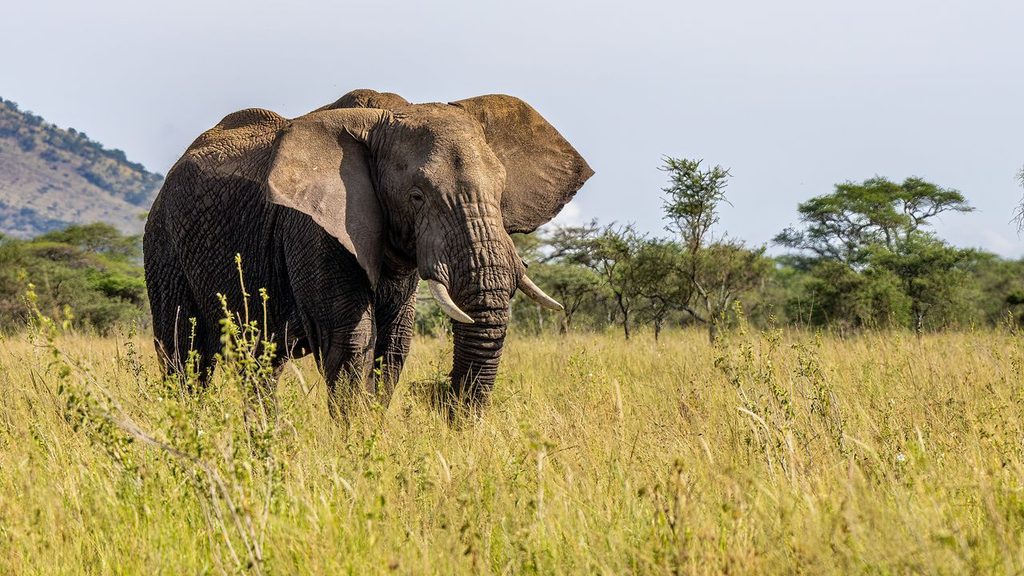
An African elephant safari is one of the most unforgettable wildlife experiences you can have. Watching a huge elephant herd walk across an open savanna, seeing a mother protect her calf, or observing elephants gathering around a waterhole can be a breathtaking experience.
Africa is home to some of the world’s most spectacular elephant populations, and several national parks and wildlife reserves offer excellent opportunities to see these magnificent animals in their natural habitat.
Whether you are planning your first African safari or are an experienced traveler looking for a unique wildlife adventure, an elephant safari should be high on your list.
What Is an African Elephant Safari?
An African elephant safari is a wildlife experience focused on observing African elephants in their natural environment. Unlike seeing elephants in captivity, a safari allows you to watch them behaving naturally—feeding, drinking, playing, communicating, and moving through their habitat.
Elephant safaris can take several forms, including:
- Traditional 4×4 game drives
- Walking safaris
- Boat safaris
- Photography safaris
- Private wildlife tours
- Multi-day safari experiences
The best option depends on the destination, season, budget, and type of experience you want.
Why Go on an African Elephant Safari?
African elephants are among the most impressive animals on Earth. Their enormous size, intelligence, complex social relationships, and distinctive behavior make them fascinating to observe.
1. See Large Elephant Herds
One of the highlights of an African elephant safari is seeing elephants traveling together in family groups. Herds may include mothers, calves, sisters, aunts, and other relatives.
Watching a herd move peacefully across the grasslands can be an incredible sight.
2. Observe Elephants in Their Natural Habitat
Safari destinations provide the opportunity to see elephants living naturally. You may see them feeding on grass, leaves, bark, and other vegetation or using their trunks to drink and explore their surroundings.
3. Photograph Incredible Wildlife
Elephants are excellent subjects for wildlife photography. Their size and distinctive features create countless opportunities for memorable photographs.
Early mornings and late afternoons often provide beautiful natural light while animals are more active.
4. Experience Africa’s Wilderness
An elephant safari is about more than elephants. Depending on your destination, you may also encounter lions, leopards, cheetahs, buffalo, giraffes, zebras, hippos, crocodiles, and numerous bird species.
This makes a safari a complete wildlife adventure.
Best Places for an African Elephant Safari
Africa has many excellent elephant-viewing destinations. Here are some of the most popular countries and parks to consider.
Kenya
Kenya is one of the best-known safari destinations in Africa. Amboseli National Park is particularly famous for its elephants and spectacular views of Mount Kilimanjaro.
The open landscapes make it easier to spot elephants, and the combination of elephants and the mountain in the background creates outstanding photographic opportunities.
Other Kenyan destinations where elephants can be seen include Tsavo East and Tsavo West national parks, as well as other wildlife areas.
Tanzania
Tanzania is another fantastic destination for an African elephant safari.
Tarangire National Park is especially well known for elephants and is often considered one of the country’s premier elephant-viewing destinations. During the dry season, wildlife gathers around available water sources, creating excellent viewing opportunities.
Tanzania also offers the Serengeti, Ngorongoro Conservation Area, and other destinations where elephants may be encountered.
Botswana
Botswana is an outstanding destination for travelers who want to see elephants in large numbers.
Chobe National Park is particularly famous for its elephant population. One of the best ways to see them is from a boat on the Chobe River.
A boat safari can provide a different perspective from a traditional game drive. You may see elephants approaching the water, swimming, drinking, or crossing the river.
Zimbabwe
Zimbabwe offers exceptional wildlife experiences and is an excellent choice for travelers seeking a less crowded safari environment.
Hwange National Park is famous for its elephants and diverse wildlife. The park’s waterholes can provide excellent opportunities to watch elephants gathering during dry periods.
Zimbabwe also offers walking safaris and other immersive experiences in selected areas.
South Africa
South Africa is a popular safari destination with excellent infrastructure and a wide range of accommodation options.
Kruger National Park is one of the country’s most famous wildlife destinations and supports elephants alongside many other African species.
South Africa can be particularly convenient for first-time safari travelers because it offers a broad range of lodging and tour options.
Best Time to Go on an African Elephant Safari
The best time for an elephant safari depends on your destination and what you want to see.
Dry Season
The dry season is often an excellent time for wildlife viewing because vegetation becomes less dense and animals may concentrate around rivers, lakes, and waterholes.
This can make elephants easier to locate.
Wet Season
The rainy season transforms many African landscapes. Vegetation becomes greener, landscapes can be spectacular, and many animals give birth during certain periods.
The wet season can also offer excellent birdwatching and fewer tourists in some destinations.
Before booking, research the specific park you plan to visit because seasons vary across Africa.
What to Expect During an Elephant Safari
A typical safari day can begin early in the morning.
You may leave your lodge before sunrise and travel into the park in an open-sided safari vehicle. Your guide will look for tracks, feeding areas, water sources, and other signs of wildlife.
When elephants are located, the vehicle may stop at a respectful distance so you can observe them.
You might see elephants:
- Feeding on grass and trees
- Drinking at waterholes
- Walking across the savanna
- Playing with other elephants
- Caring for young calves
- Communicating with one another
- Bathing or covering themselves with dust
Every encounter is different, which is part of what makes an elephant safari so special.
Elephant Safari Photography Tips
If you want great photographs, preparation is important.
Bring the Right Camera
A camera with a telephoto or zoom lens can help you photograph elephants without getting too close.
A smartphone can also capture excellent memories, especially when elephants are relatively close to the safari vehicle.
Shoot During Golden Hour
Early morning and late afternoon often provide beautiful lighting. The softer light can make photographs look warmer and more dramatic.
Don’t Focus Only on Close-Ups
Some of the best elephant photographs show the animal within its environment.
Try capturing elephants against mountains, rivers, forests, or wide-open savannas.
Be Patient
Wildlife photography requires patience. Instead of taking hundreds of random photographs, watch the animals and anticipate their behavior.
You may capture a much more interesting moment when you wait.
What to Pack for an African Elephant Safari
Packing correctly can make your safari more comfortable.
Consider bringing:
- Lightweight, comfortable clothing
- A wide-brimmed hat
- Sunglasses
- Sunscreen
- Comfortable walking shoes
- Binoculars
- Camera and spare batteries
- Extra memory cards
- A reusable water bottle
- Insect repellent
- A light jacket for cool mornings
- Personal medications and toiletries
Neutral-colored clothing can also be useful because it is less visually distracting during wildlife viewing.
Elephant Safari Safety
Elephants are wild animals and should always be treated with respect.
Never attempt to approach an elephant on foot unless you are accompanied by a qualified professional guide during an authorized walking safari.
When you are in a safari vehicle, remain inside unless your guide tells you it is safe to exit.
Avoid shouting, sudden movements, feeding animals, or trying to get closer for a photograph.
Your guide understands animal behavior and local conditions, so follow their instructions at all times.
Responsible and Sustainable Elephant Tourism
Choosing a responsible safari operator is important.
A good safari experience should prioritize wildlife conservation, animal welfare, environmental protection, and benefits for local communities.
Before booking, research the operator and ask questions about:
- Conservation programs
- Community involvement
- Wildlife viewing policies
- Group sizes
- Environmental practices
- Local employment
- Park and conservation fees
Responsible tourism can help support the protection of elephants and their habitats.
How Much Does an African Elephant Safari Cost?
The cost of an African elephant safari varies considerably.
Factors that influence the price include:
- Country and national park
- Length of the safari
- Type of accommodation
- Private or shared vehicle
- Season
- Number of travelers
- Transportation
- Activities included
- Park and conservation fees
Budget camping safaris can be considerably cheaper than luxury private safaris.
If you are working with a limited budget, consider traveling during a lower-demand season, choosing shared transportation, and comparing several safari operators.
How Long Should an Elephant Safari Be?
For a first-time safari, three to five days can provide a good introduction to African wildlife.
However, longer trips allow you to explore multiple parks or regions and increase your opportunities to see different species.
For example, you could combine an elephant-focused destination with a larger wildlife ecosystem where you can search for lions, leopards, cheetahs, buffalo, and other animals.
African Elephant Safari vs. Traditional Game Drive
An elephant-focused safari does not necessarily mean you will only see elephants.
Most African safaris are designed around observing a wide variety of wildlife. Elephants are simply one of the major attractions.
If elephants are your primary interest, tell your safari company before booking. They may be able to recommend destinations, guides, seasons, and activities that maximize your chances of seeing them.
Tips for Planning Your African Elephant Safari
Here are a few simple tips to help you plan your trip.
Choose Your Destination Carefully
Research different parks before booking. If elephants are your top priority, choose an area known for reliable elephant sightings.
Book With a Reputable Operator
Read reviews, check the operator’s conservation policies, and make sure the company uses experienced guides.
Don’t Rush the Experience
Wildlife sightings are unpredictable. Give yourself enough time to enjoy the wilderness instead of trying to see everything in one day.
Respect Wildlife
The goal is to observe animals without disturbing them. Keep your distance and follow your guide’s instructions.
Bring Binoculars
Binoculars can transform your safari experience. They allow you to observe animals and behavior that may be difficult to see with the naked eye.
Frequently Asked Questions About African Elephant Safaris
Where is the best place for an African elephant safari?
There is no single best destination for everyone. Kenya, Tanzania, Botswana, Zimbabwe, and South Africa all offer excellent elephant-viewing opportunities. The best choice depends on your budget, travel dates, preferred activities, and the type of safari experience you want.
What is the best month for an elephant safari?
The best month varies by destination. In many regions, the dry season can provide excellent wildlife viewing because animals often gather around water sources and vegetation is less dense.
Can you see elephants on a walking safari?
Yes, some destinations offer guided walking safaris where elephants may be encountered. However, walking near elephants requires experienced professional guides and strict safety procedures.
Are African elephants dangerous?
African elephants are powerful wild animals and can be dangerous if threatened or approached incorrectly. Keeping a safe distance and following your guide’s instructions is essential.
What should I bring on an elephant safari?
Binoculars, sunscreen, a hat, comfortable clothing, sturdy shoes, a camera, extra batteries, insect repellent, and a reusable water bottle are useful items to bring.
Final Thoughts
An African elephant safari offers much more than the chance to see one of Africa’s largest animals. It is an opportunity to experience wildlife in its natural environment, explore extraordinary landscapes, learn about conservation, and create memories that can last a lifetime.
From the elephant-filled landscapes of Kenya and Tanzania to the waterways of Botswana and the wilderness of Zimbabwe and South Africa, Africa offers incredible opportunities to experience elephants in the wild.
If seeing elephants is one of your dream travel experiences, start by choosing the right destination, season, and safari operator. With careful planning and responsible tourism, your African elephant safari can become one of the most unforgettable adventures of your life.